Beginnings


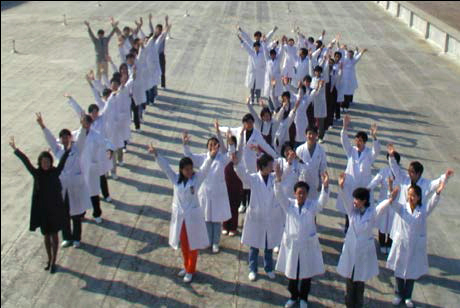
The seeds of the Beijing Genomic Institute’s (BGI) founding began in the early 1990s at the University of Washington in Seattle, Washington, where Wang Jian was a Senior Research Fellow. One of the founders of the Human Genome Project, Maynard V. Olson (also at the University of Washington at the time), was hoping to encourage more international participation in the project. Together with Liu Siqi and Yang Huanming (“Henry” Yang), the three scientists created BGI in September, 1999 specifically to join in the Human Genome Project as representatives from China. BGI immediately began purchasing automated sequencing machines and securing funding. Within 4 years, they had acquired $10 million in funding from Wenzhou businessmen, the Hangzhou Municipal Government, and through becoming an adjunct of the Chinese Academy of Sciences. By the end of the HGP, BGI had contributed 1% of the entire genome.
Extensive Genomics
With the end of the Human Genome Project, BGI’s genomic sequencing efforts were just getting started. BGI rapidly built up an extensive sequencing capacity by 2000, surpassing both France and Germany, and on par with Japan’s capacity. By 2002, BGI had sequenced the rice (Oryza sativa) genome, for which their research graced the cover of the journal Science. In 2003, they successfully decoded the genome of and created a detection kit for the pathogenic coronavirus responsible for Severe Acute Respiratory Syndrome (SARS), less than a year after the start of an outbreak that infected more than 8,000 people and led to over 800 deaths. More genomes rapidly followed. By 2010, BGI had sequenced the genomes of over 40 plants and animals and over 1000 species of bacteria, including the first human of Asian descent, the first ancient human (from a 4,000-year-old hair sample preserved in permafrost), the giant panda Ailuropoda melanoleura, the honey bee Apis mellifera, the soy bean Glycine max, and the cucumber Cucumis sativus. The also sequenced the genomes of 40 different silkworms, both domesticated and wild, to identify genes implicated in the domestication process. BGI provided 10% of the sequences for the International HapMap project, which identified common genetic variation patterns in the human genome, and they remain an important contributor to the 1,000 Genomes Project (1KGP).
Expansion
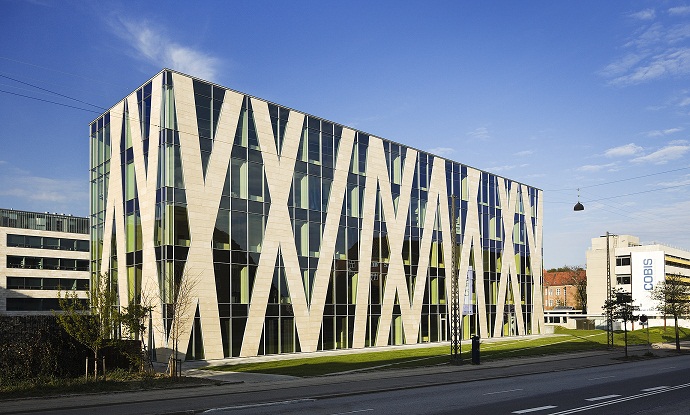
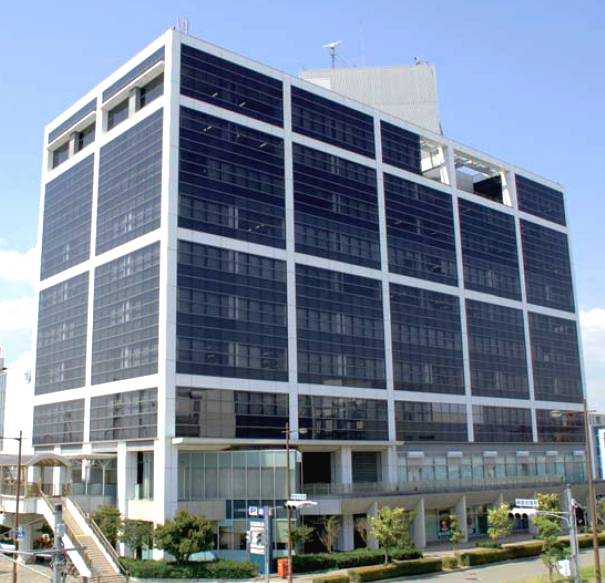
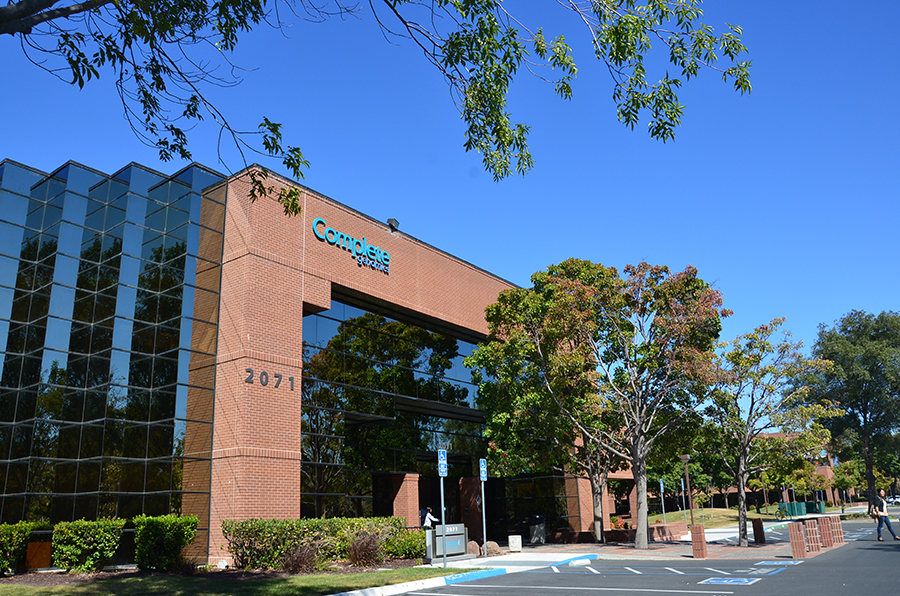
BGI separated from the Chinese Academy of Sciences in 2007 and relocated to Shenzhen and gained official recognition as a non-profit the next year. At this time, BGI began expanding its global presence and established BGI Americas and BGI Europe in 2010. As of 2019, BGI operates in more than 100 countries, with offices and laboratories in Europe, North America, and throughout the Asia-Pacific region. Their American locations include Cambridge Massachusetts, Seattle Washington, San Jose California, and they also maintain offices in Bangkok, Brisbane, Copenhagen, Hong Kong, Kobe, Laos, London, Singapore, and many others.
Branching Out
In addition to its extensive and exemplary work in genome sequencing, BGI has also expanded its purview to education, medicine, and technology. In 2003, BGI launched, in conjunction with Zhejiang University, the James D Watson Institute of Genome Sciences. Designed in consultation with Cold Spring Harbor Laboratory and Watson, CSHL’s then President, The Watson Institute offers postgraduate education, with approximately 80 masters and PhD students currently attending. BGI also offers its genomics expertise to advance health care, providing services for prenatal screening, hereditary cancer screening, rare disease testing, and precision medicine through partnerships with hospitals across the globe. BGI also maintains service provider relationships with the majority of the world’s major pharmaceutical companies.

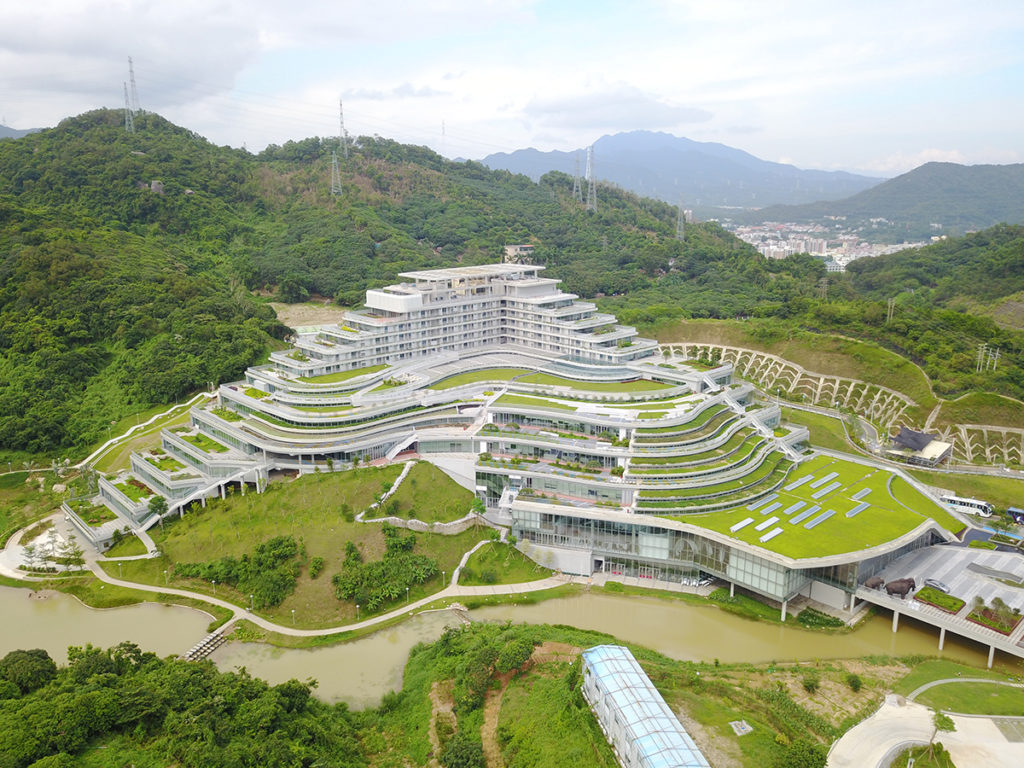
From the humble beginnings of a few dedicated scientists with a mission, BGI has grown to become one of the world’s foremost scientific powerhouses in less than twenty years.
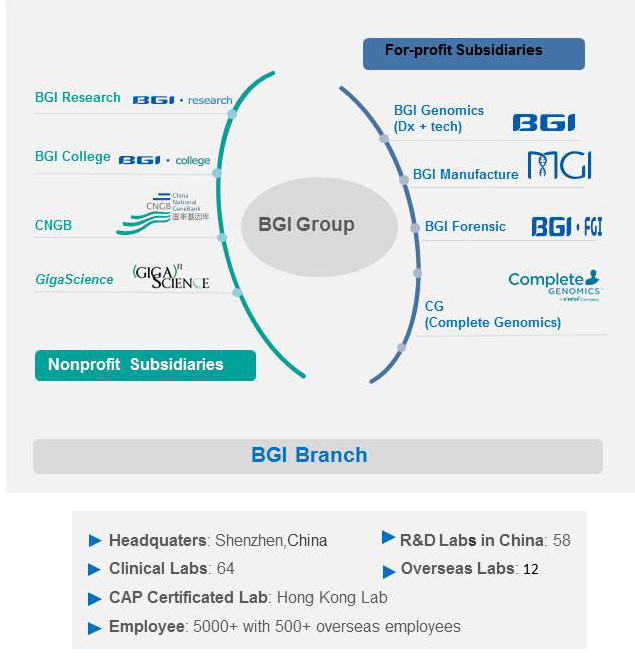
Organizational Profile